Cango Unplugs 30% of Bitcoin Hashrate as Hashprice Slump Bites

Cango’s bitcoin mining operations ran 30% below installed capacity in February, underscoring the mounting pressure on miners as industry economics deteriorate.
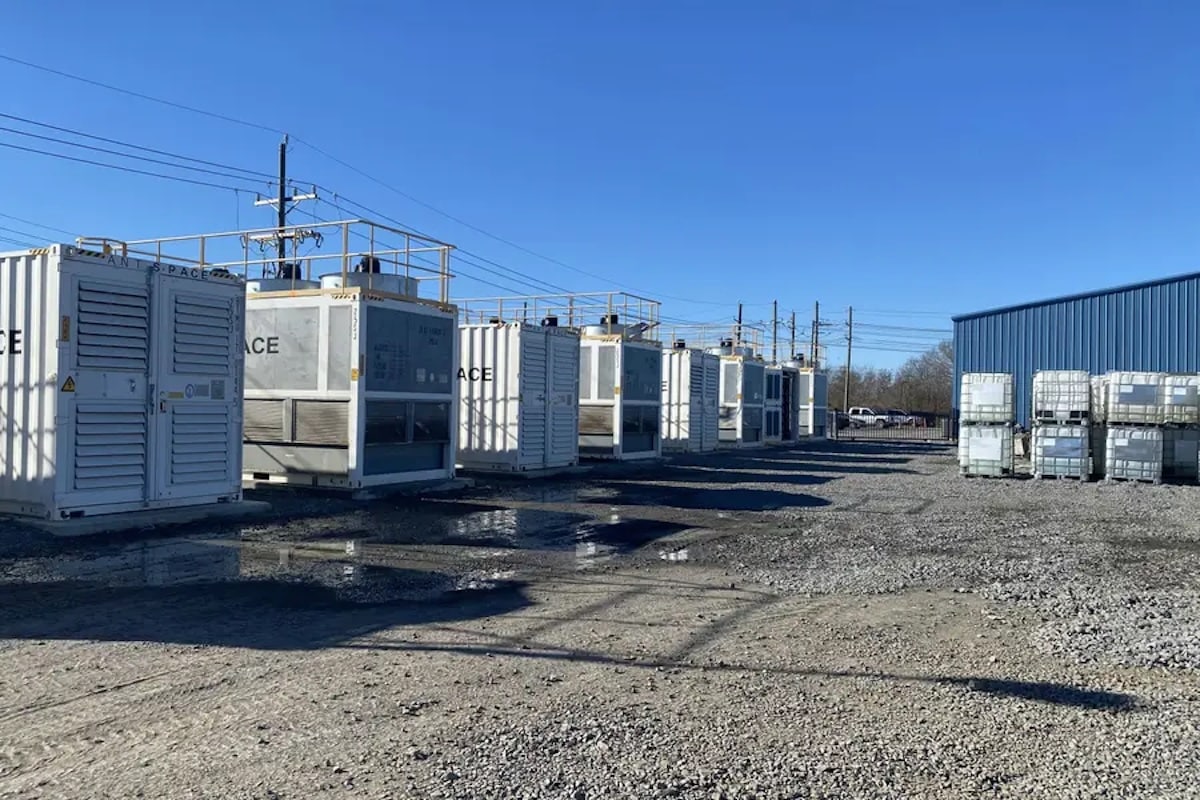
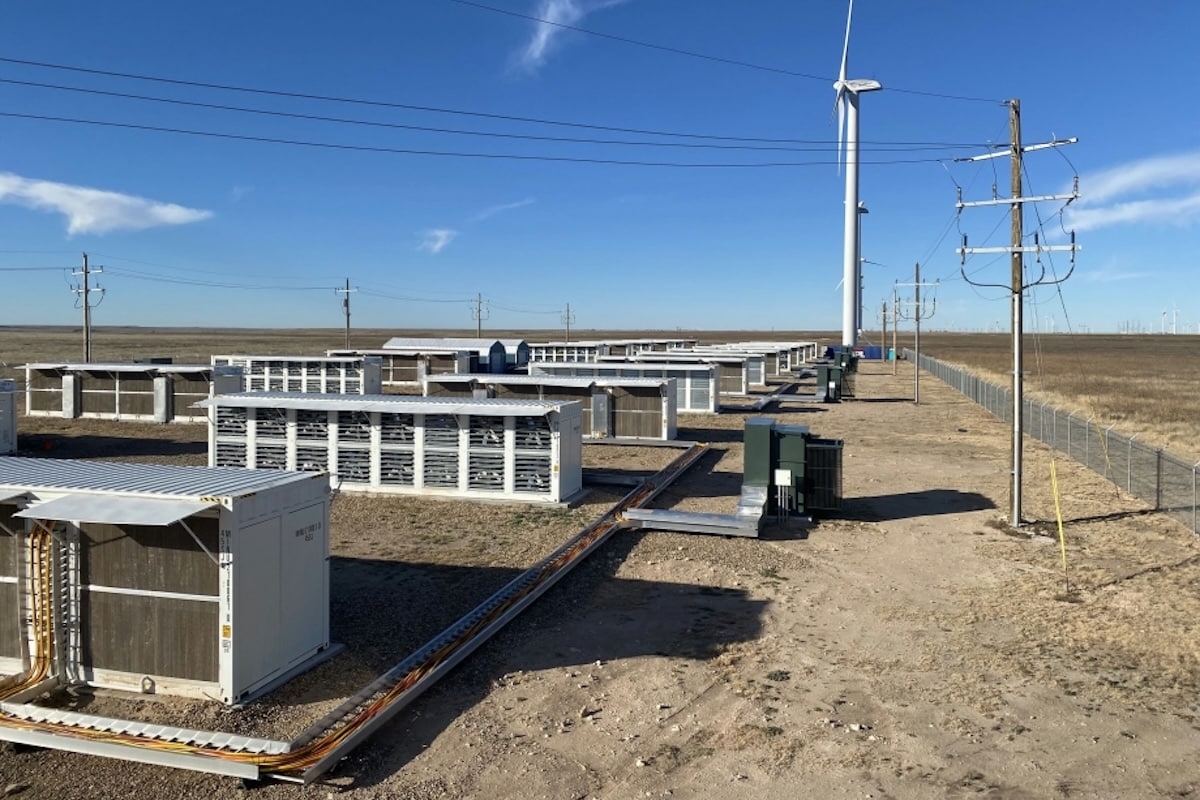
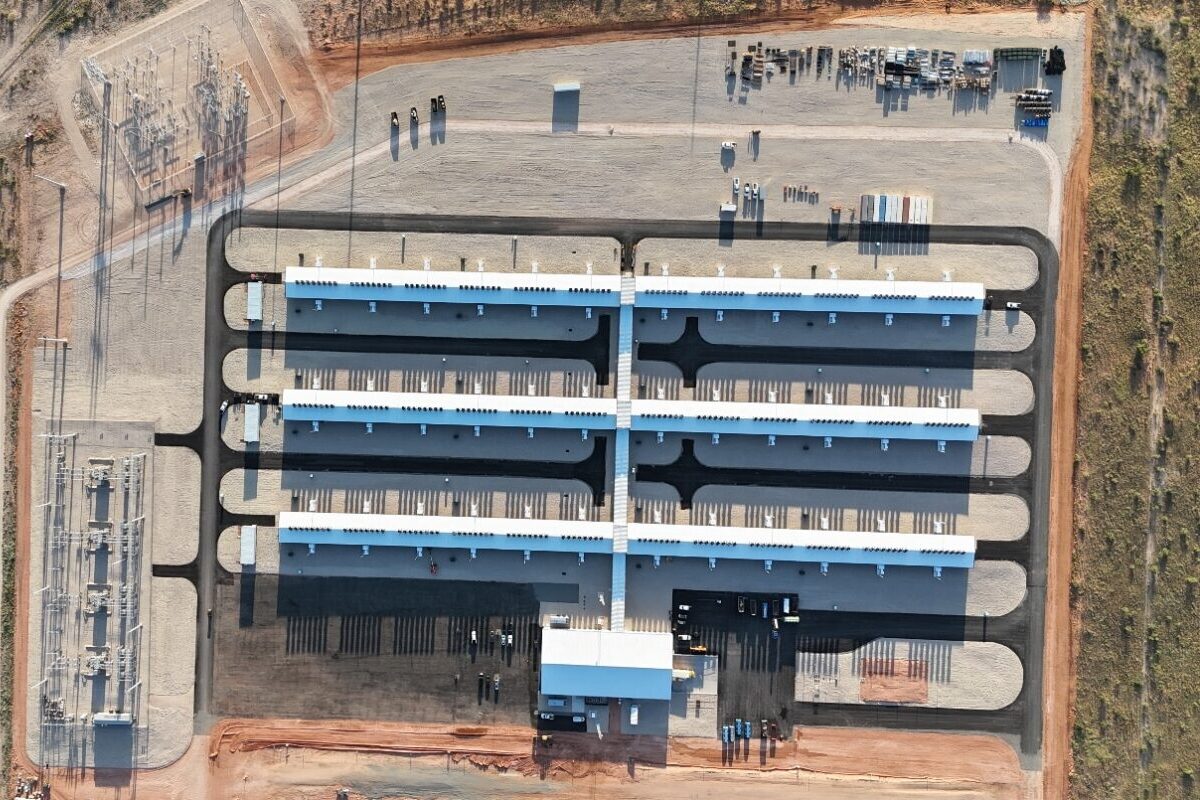
The company reported on Friday that its average operating hashrate fell to 34.55 EH/s last month, despite having 50 EH/s of deployed capacity. Cango attributed the lower operating rate to “temporary downtime associated with fleet optimization and relocation efforts,” adding that it is renegotiating hosting agreements, upgrading equipment, and divesting certain rigs while migrating operations to regions with lower power costs.

Cango produced 454.83 bitcoin in February and held 3,313.4 BTC on its balance sheet as of Feb. 28.
The reduced utilization comes as bitcoin mining profitability has sharply declined. Hashprice — a common industry metric that measures daily revenue per unit of computing power — has fallen below $40/PH/s per day and has largely remained in the low-$30 range, squeezing operators whose operating costs sit near or above those levels.
For Cango, the margin compression is particularly acute. The company’s fleet hashcost has historically hovered around $40/PH/s, largely reflecting its rapid pivot into bitcoin mining last year when it purchased large volumes of on-rack Antminer S19 XP machines from Bitmain that were deployed through colocation arrangements at Bitmain-operated sites.
That asset-light model allowed Cango to scale quickly to 50 EH/s without building its own data centers, but it also left the firm exposed to hosting costs that become difficult to sustain when mining revenue approaches breakeven levels.
February was also marked by aggressive balance-sheet moves.
During a sharp market selloff in early February, Cango force-liquidated a large portion of its bitcoin reserves to reduce outstanding loans. The company sold 4,451 BTC over a single weekend, equivalent to roughly 60% of its holdings at the time, according to prior disclosures. In total, Cango sold 4,616 BTC during February, over 10 times its monthly production.