
Virginia Curbs State Support for Large Data Centers, Plans Tighter Rules
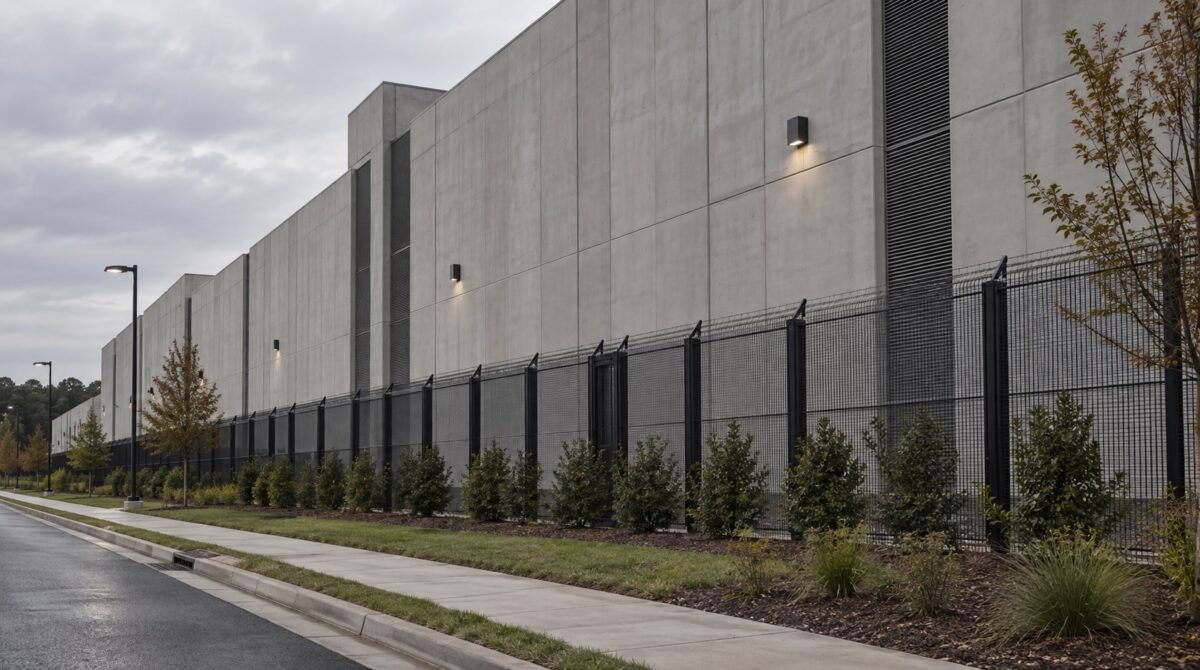
Virginia Governor Abigail Spanberger barred new large data center projects from specified state development and expedited-review programs, taking immediate action while laying out broader restrictions on the industry’s electricity costs, environmental impacts and local approvals.
Executive Order 22, signed September 18, excludes new projects with anticipated peak electricity demand of at least 25 megawatts from assistance provided by the Virginia Economic Development Partnership through its Business Ready Sites Program and similar discretionary development or expedited-review programs. The order also restricts new nondisclosure agreements involving agencies under the governor’s supervision.

The measures accompany a wider Data Center Accountability Framework that Spanberger plans to advance through agency action and the 2027 General Assembly session. Its proposals include requiring local approval for facilities using more than 25 megawatts, stronger upfront financial commitments from developers and allocating more electricity generation and transmission costs to large users. Those proposals are not all requirements already in force.
The initiative addresses a central tension for Virginia: data centers bring construction spending and local tax revenue, but their growing electricity needs require costly infrastructure. A December 2024 study by the state’s Joint Legislative Audit and Review Commission identified Northern Virginia as the world’s largest data center market.
That study found utility rates at the time appropriately allocated costs to data centers and other customers. It nevertheless warned that expansion would raise system costs, estimating that generation and transmission expenses could add $14 to $37 to a typical Dominion Energy (NYSE: D) residential customer’s monthly bill by 2040, excluding inflation. The commission also estimated the industry contributed $9.1 billion annually to Virginia’s economy, with most benefits arising during construction.
The order directs the chief energy officer to work with utilities, the State Corporation Commission and regional grid operator PJM Interconnection on assigning costs driven by large data center loads to those customers. It does not itself establish a new electricity rate.
Its transparency provisions also have limits. Agencies must honor existing contracts and nondisclosure agreements. Future agreements that prevent disclosure of material information about proposed commercial data centers are prohibited, absent extraordinary circumstances such as national security. The immediate restriction applies to bodies and employees under the governor’s supervision.
Environmental measures largely initiate reviews and accelerate rulemaking. Within 180 days, the Department of Environmental Quality must submit findings on the cumulative effects of data center backup generators, including localized air pollution and options for cleaner equipment.
The agency must also provide accelerated work plans for noise regulations and rules governing areas where evaporative cooling could threaten water supplies. The order directs that the Eastern Virginia Groundwater Management Area be designated a cooling water scarcity area. These deadlines concern findings and regulatory plans, rather than requiring every facility to install new equipment within six months.
The broader framework proposes limiting on-site natural gas generation and prioritizing grid access for facilities meeting stronger clean-energy and emissions conditions. Spanberger’s administration will seek legislation to put additional provisions into law in 2027.
The order also creates an artificial intelligence task force to develop executive and legislative responses to risks including job displacement, privacy violations and cyberattacks. It must examine existing enforcement powers and coordinate with leading AI developers.
Another initiative, called VA-LEAD, would evaluate facilities through a tiered system covering resource use, infrastructure impacts, employment and community benefits. Proposed criteria and an implementation plan are due by the end of 2027, leaving important details of the administration’s longer-term approach still to be developed.
