Duke Energy Raises Earnings Forecast Floor as Quarterly Profit Climbs
Key Takeaways
- Duke Energy released Q3 2026 financial results and held an investor call on Nov. 5, 2026.
- The company manages 55,700 MW of capacity and serves 8.7 million electric customers.
Duke Energy (NYSE: DUK) raised the lower end of its 2026 earnings forecast after third-quarter profit increased, supported by recovery in infrastructure investment costs and favorable weather.
The utility now expects adjusted earnings of $6.70 to $6.80 a share and said results are positioned near the upper end. It had maintained a range of $6.55 to $6.80 in August. The revised outlook lifts the minimum by 15 cents while leaving the ceiling unchanged.
Earnings available to common shareholders rose about 10% to $1.55 billion from $1.41 billion a year earlier. Both reported and adjusted earnings reached $1.99 a share, compared with $1.81. Revenue increased 6.6% to $9.10 billion.
Higher depreciation, interest expense, minority-interest effects and a higher effective tax rate partly offset the gains, Duke said in its Nov. 5 release. Its electric utilities and infrastructure business earned $1.82 billion, up from $1.66 billion. The gas business narrowed its quarterly loss to $19 million from $26 million.

Duke also outlined plans to add 16 gigawatts of generation capacity by 2031 and retained its target for annual adjusted earnings-per-share growth of 5% to 7% through 2030.
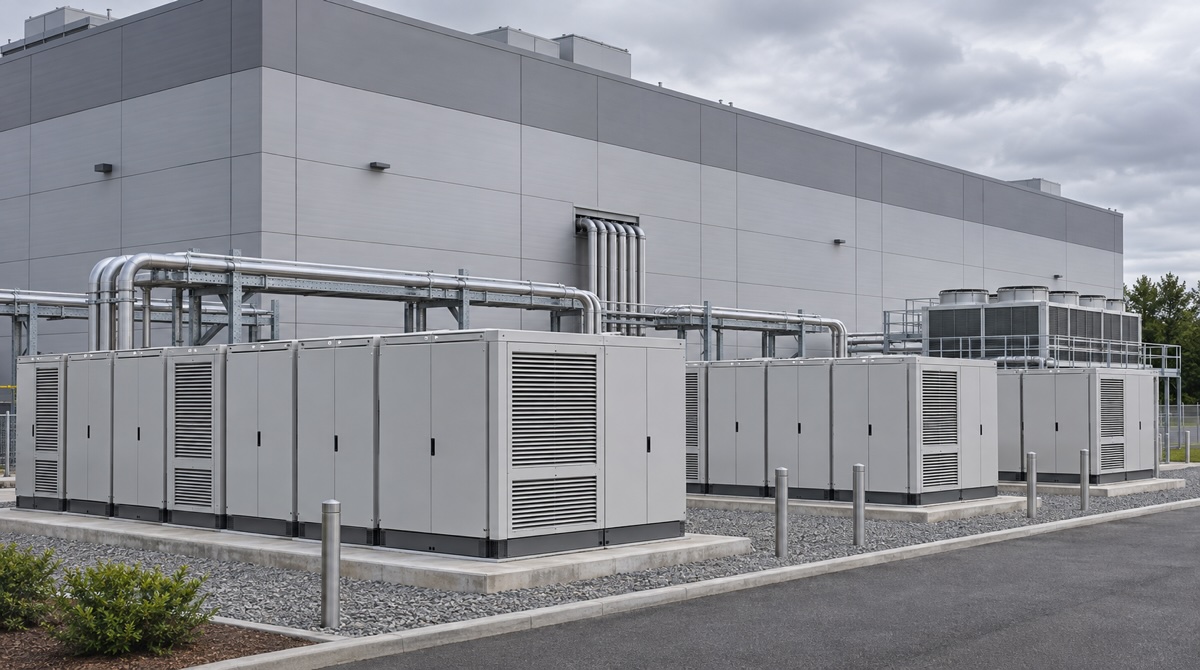
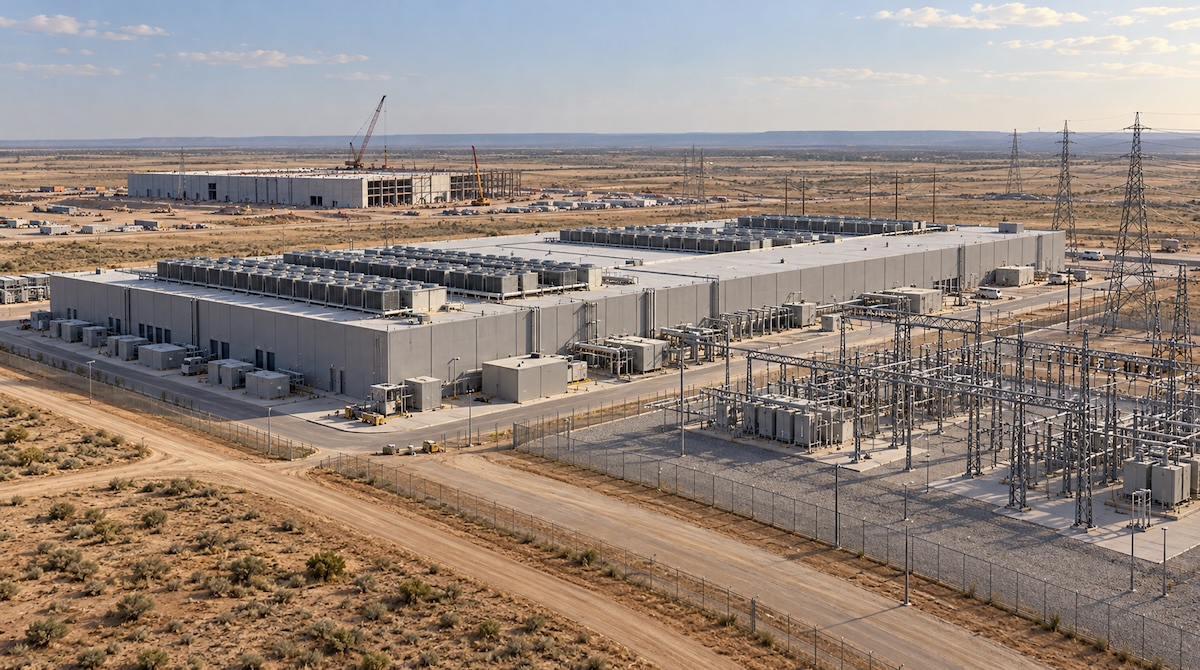
The construction program comes as data centers, advanced manufacturing and population growth increase electricity needs across Duke’s service territories. Earlier this year, the company outlined a $103 billion, five-year capital plan. By May, it had secured electric service agreements representing about 7.6 gigawatts of data-center demand, with roughly 5 gigawatts already under construction.
That expansion brings pressure to balance new infrastructure with customer affordability. Chief Executive Officer Harry Sideris said in a June interview that demand from manufacturing, data centers and growing populations was driving investment alongside work to strengthen the grid against storms.