EverWind’s Anthropic Data Center Faces Backlash Over Power, Water
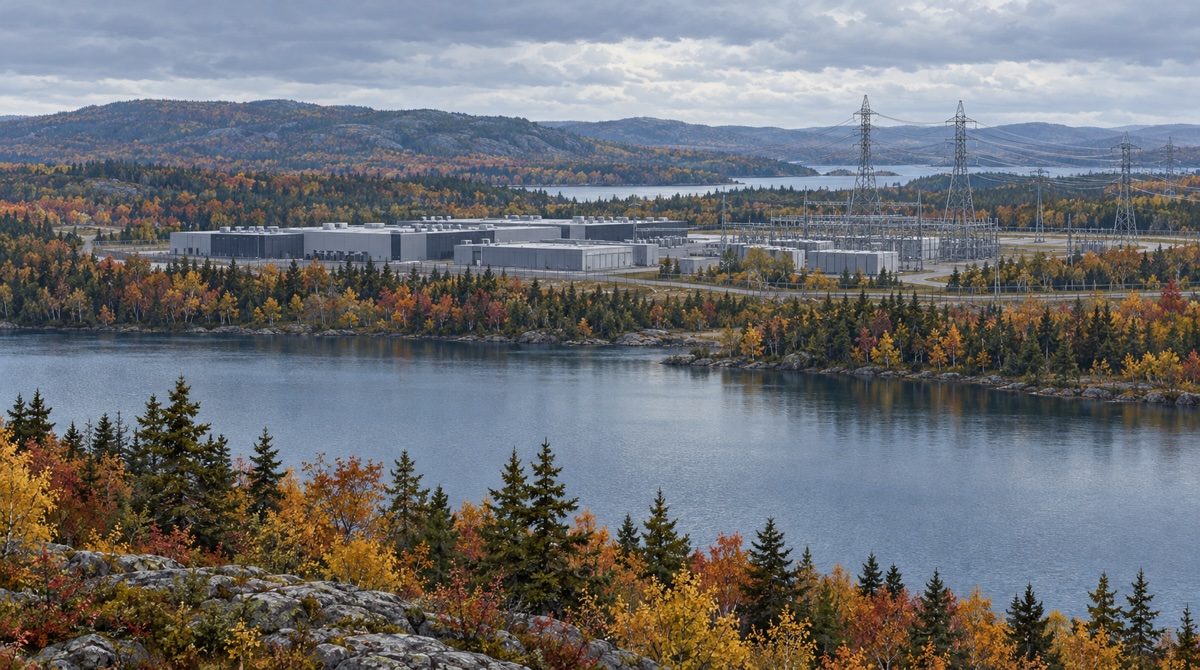
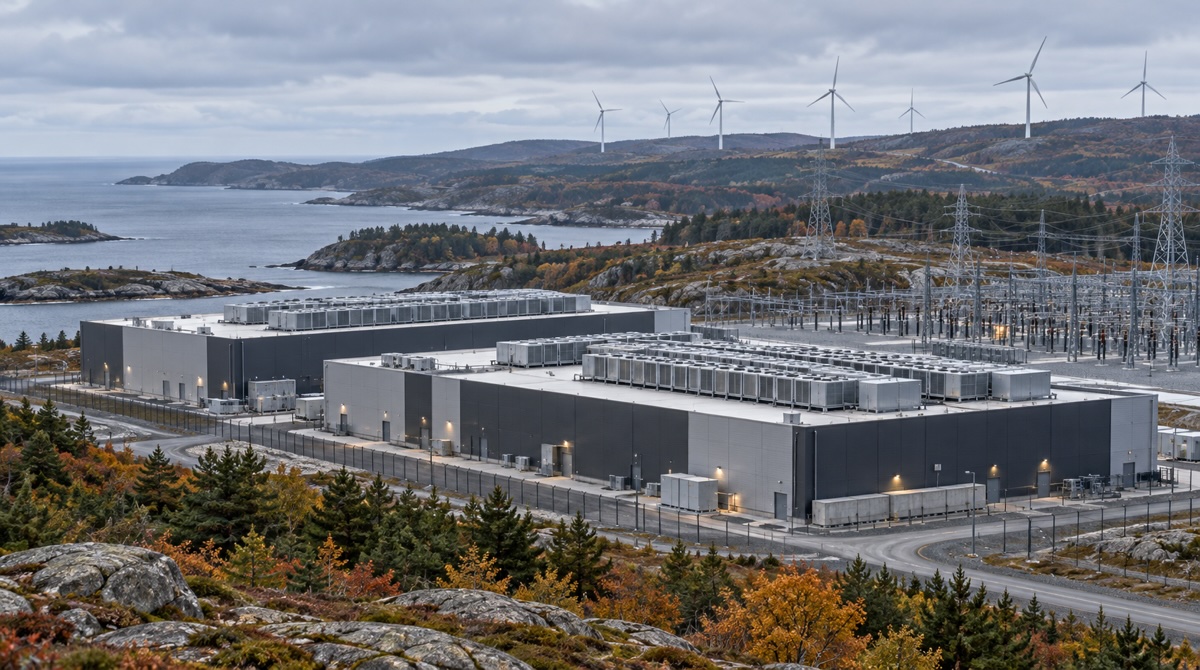
EverWind Fuels’ planned data center for Anthropic in Nova Scotia is facing calls for emergency legislative scrutiny, as protests and a petition challenge the government’s assurances that the project will protect electricity customers and water supplies.
Nova Scotia New Democratic Party Leader Claudia Chender asked Premier Tim Houston on Monday to recall the legislature, saying the government had embraced AI data centers without adequate public input or dedicated regulations. A petition opposing AI data center development in the province had 12,700 signatures that afternoon, according to a report from The Canadian Press.
“Non-binding guidelines are not laws,” Chender said, according to the report. “This project needs to be regulated in the legislature, not on Facebook.”
The dispute follows EverWind’s October 16 announcement of more than C$10 billion in planned private investment: over C$8 billion for the Point Tupper campus in Cape Breton and C$2 billion for wind projects. Anthropic has signed a 20-year lease for the first phase, its first data center agreement in Canada.

More than 100 people protested in Halifax on October 17, marching from Nova Scotia Power’s headquarters to Province House, according to the Dalhousie Gazette's report. Participants raised concerns about water supplies and the speed at which the project had advanced.
EverWind is targeting late 2027 for an initial 95-megawatt phase, followed by a 325-megawatt expansion in 2028, subject to commercial, technical and regulatory conditions. The company projects about 2,000 construction jobs and 215 permanent positions across the campus and wind portfolio.
Houston defended the process on October 19, saying existing environmental and industrial approvals would provide oversight. He acknowledged residents’ concerns and said checks and balances would be built into the process.
The disagreement centers on how the developer’s commitments will be enforced. EverWind says it will pay electricity connection, network upgrade and other system costs attributable to the development. It plans battery storage and the ability to reduce grid demand; the expansion cannot connect until required studies and approvals are complete.
Its cooling design relies mainly on air, with water assistance in hot weather. EverWind estimates average water use of 100,000 liters daily initially and 500,000 liters at full development.
The Ecology Action Centre says projected consumption alone does not settle the question of enforceable limits. Senior energy coordinator Thomas McNeil told local broadcaster Your Halifax Now that the public needs clarity on water permissions and protections for electricity customers.
Richmond County Warden Lois Landry told the broadcaster that written water-supply conditions could be enforced through suspension of service if exceeded. Community engagement sessions are expected in early November, it reported.
Ottawa’s Responsible Data Centre Development Principles, launched September 3, call for protection against electricity cost shifting, reduced water impacts and transparency. Anthropic is a signatory, and EverWind announced it was joining on October 16. The federal government says the framework complements existing provincial, municipal and Indigenous regulatory processes.