Keel Revenue Falls 59% as Bitcoin Mining Gives Way to AI
Key Takeaways
- Keel reported a Q3 2026 loss of $62 million, largely due to a $55 million non-cash loss on financial instruments.
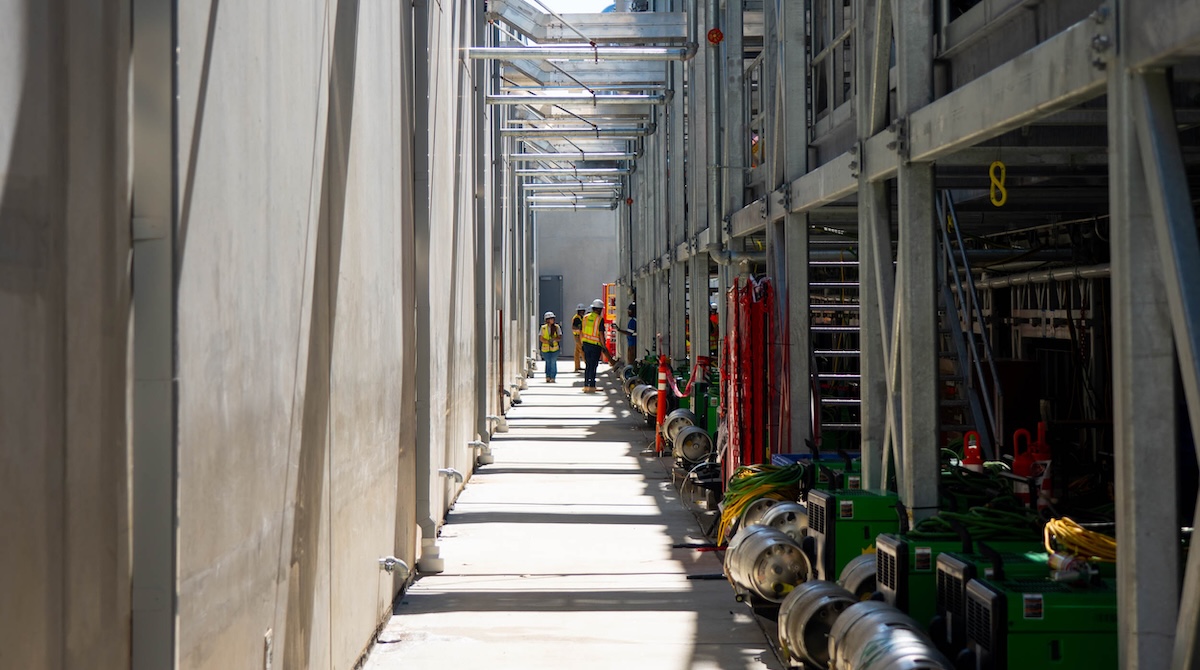
- Construction began at the Moses Lake site in September 2026, with a target for HPC revenue generation in 2027.
Keel Infrastructure (NASDAQ: KEEL) has reported a 59% drop in third-quarter revenue as it wound down US bitcoin mining, while leases for its planned AI data centers remained under negotiation.
Revenue fell to $27.6 million from $68 million a year earlier. The loss from continuing operations widened to $62.4 million from $11 million, driven primarily by a $55 million noncash loss on derivatives tied to convertible debt. Adjusted earnings before interest, taxes, depreciation and amortization swung to a $27.4 million loss from a $19.2 million profit, according to its earnings release on Thursday.
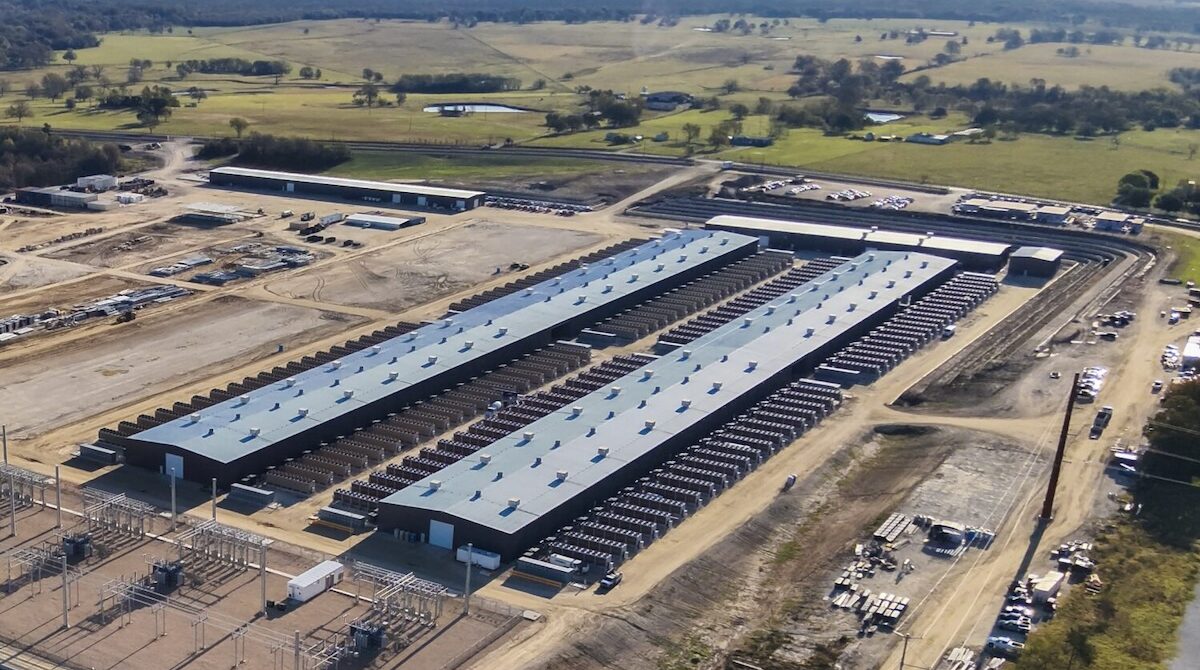
The former Bitfarms rebranded and completed its move from Canada to the US in April, underscoring its shift toward infrastructure for artificial intelligence and high-performance computing.
Keel sold 2,520 bitcoin for $192 million during the quarter, liquidating its treasury holdings. It plans to sell remaining Quebec mining output daily. Construction began at Moses Lake in September, with initial HPC revenue expected in 2027. Four environmental permits remain outstanding across Sharon and Panther Creek.

The company had already reported negotiations with prospective tenants at all three priority sites in August. It also disclosed that US mining operations had been fully decommissioned, leaving a gap between the shrinking legacy business and future data-center revenue. Second-quarter revenue was about $30 million.
Unrestricted cash totaled about $780 million on November 4. Chief Financial Officer Jonathan Mir said additional financing was unnecessary before lease signing. Keel raised $458 million in June through convertible notes carrying a 1.25% coupon and maturing in 2032, helping fund equipment deposits and development.
Pennsylvania’s permitting environment has also tightened. An August executive order removed AI data centers from fast-track review and imposed requirements covering electricity costs, environmental protection and local approvals.