TeraWulf CEO Moves to Monetize 3 Million Shares Tied to Land Lease

Key Takeaways
- CEO Paul B. Prager entered a forward sale contract for 3,000,000 TeraWulf shares on September 22, 2026.
- The transaction establishes a future obligation to sell the specified common stock.
- Director Michael C. Bucella recently increased his holdings by 6,085 shares on September 16.
TeraWulf (NASDAQ: WULF) Chief Executive Officer Paul Prager entered a prepaid forward transaction covering up to 3 million shares valued at $52.35 million, drawing on stock received through a property lease between the company and his privately owned landlord business.
The September 22, 2026, Form 144 identifies an unaffiliated bank as the counterparty and BofA Securities as the broker handling any initial hedging. Prager can elect to settle in cash and retain the pledged shares, subject to conditions. The notice therefore does not establish that he has completed an outright sale of the entire holding.
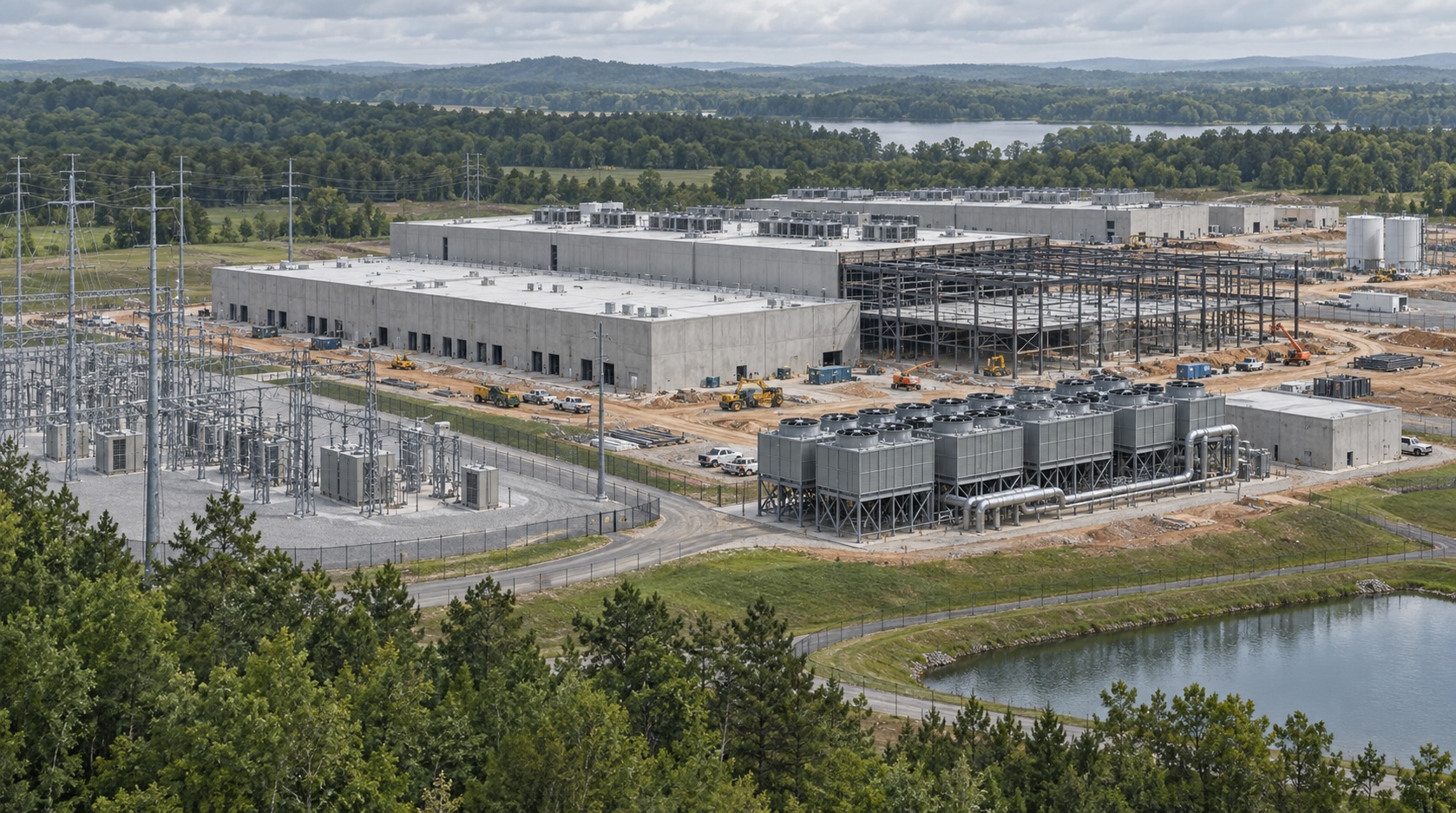
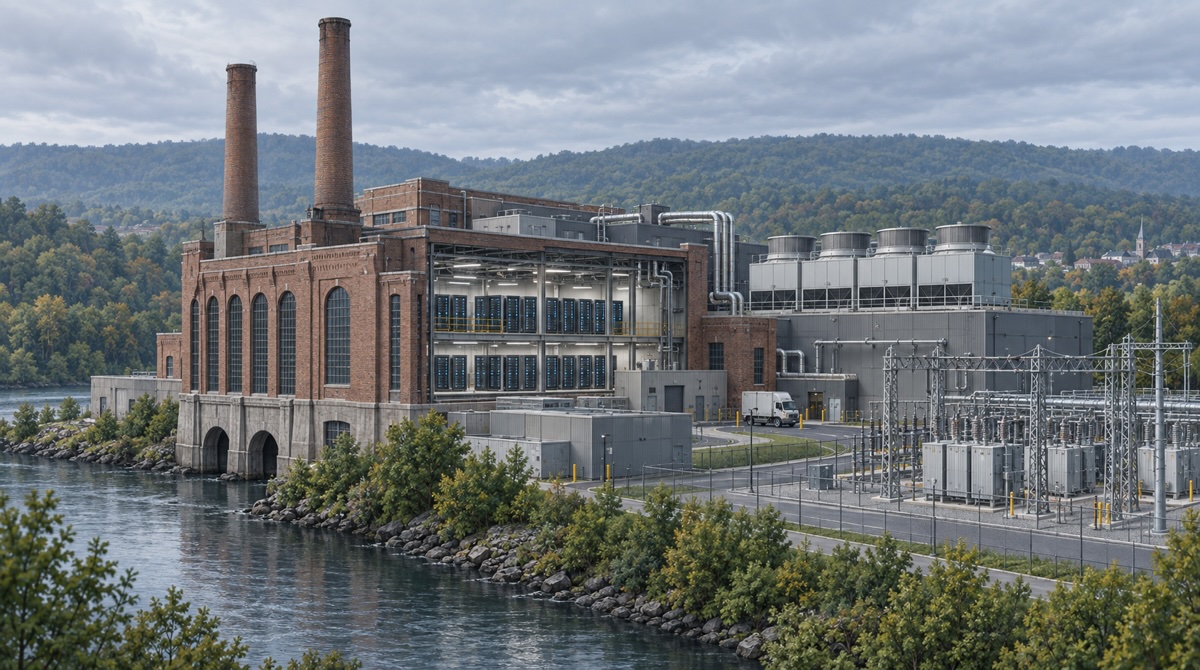
The transaction connects Prager’s personal financing arrangements with TeraWulf’s acquisition of long-term development rights at its Lake Hawkeye site in Lansing, New York. The company secured the property as part of its expansion into infrastructure for AI and high-performance computing.
On August 12, 2025, TeraWulf subsidiary Lake Hawkeye LLC agreed to lease approximately 183 acres from Cayuga Operating Company for 80 years. The agreement covered land, structures, equipment and other facilities, with rent prepaid through $95 million in TeraWulf stock and $3 million in cash. The stock component was priced using a trailing 15-day volume-weighted average.

The landlord belonged to Prager’s ownership structure. Cayuga’s parent, Riesling Power LLC, was owned by the Paul B. Prager Revocable Trust, for which Prager served as sole trustee.
TeraWulf initially issued 15 million shares to Riesling as rent, with another 3,554,688 due after shareholders approved an increase in authorized stock. Its subsequent annual report confirmed that approximately 18.6 million shares were issued for the lease during 2025.
The new notice identifies the 3 million shares as originating from that lease payment. It lists their aggregate market value, rather than the proceeds of the forward transaction, and does not disclose the upfront payment, maturity or pricing formula.
A variable prepaid forward typically provides a shareholder with cash upfront in return for an obligation to deliver stock or an equivalent cash amount later. The number of shares ultimately delivered depends on a contractual formula linked to the future stock price. Such arrangements can reduce downside exposure while preserving some participation in gains.
The structure can also produce market sales before final settlement. A bank may sell shares to hedge its exposure when establishing the contract, a mechanism addressed in the regulatory guidance cited by Prager’s notice. Cash settlement by the shareholder does not necessarily mean that no stock has been sold into the market through the bank’s hedge.
Because Prager owned the landlord business while leading TeraWulf, the original lease was a related-party transaction. The company said an independent board committee negotiated and approved it, with advice from Reed Smith and a fairness opinion from CBRE Capital Advisors.
The lease also gives TeraWulf the right to purchase the premises for $100 after its 50th anniversary. The landlord and its parent can require a purchase on the same terms after that point. TeraWulf remains responsible for its share of certain property-related expenses. Lease terms.
Lake Hawkeye remains a longer-term development project. In its August 5 earnings update, TeraWulf said the site could support approximately 400 megawatts of gross capacity, or 320 megawatts of critical IT load, subject to permitting and development. Operations were not contemplated until approximately 2029.
The project forms part of TeraWulf’s shift from bitcoin mining toward contracted computing infrastructure. High-performance computing leases generated $31.9 million, or about 71%, of its $44.8 million second-quarter revenue.