Duke Energy Secures North Carolina Approval for Rate Base and Data Center Tariff
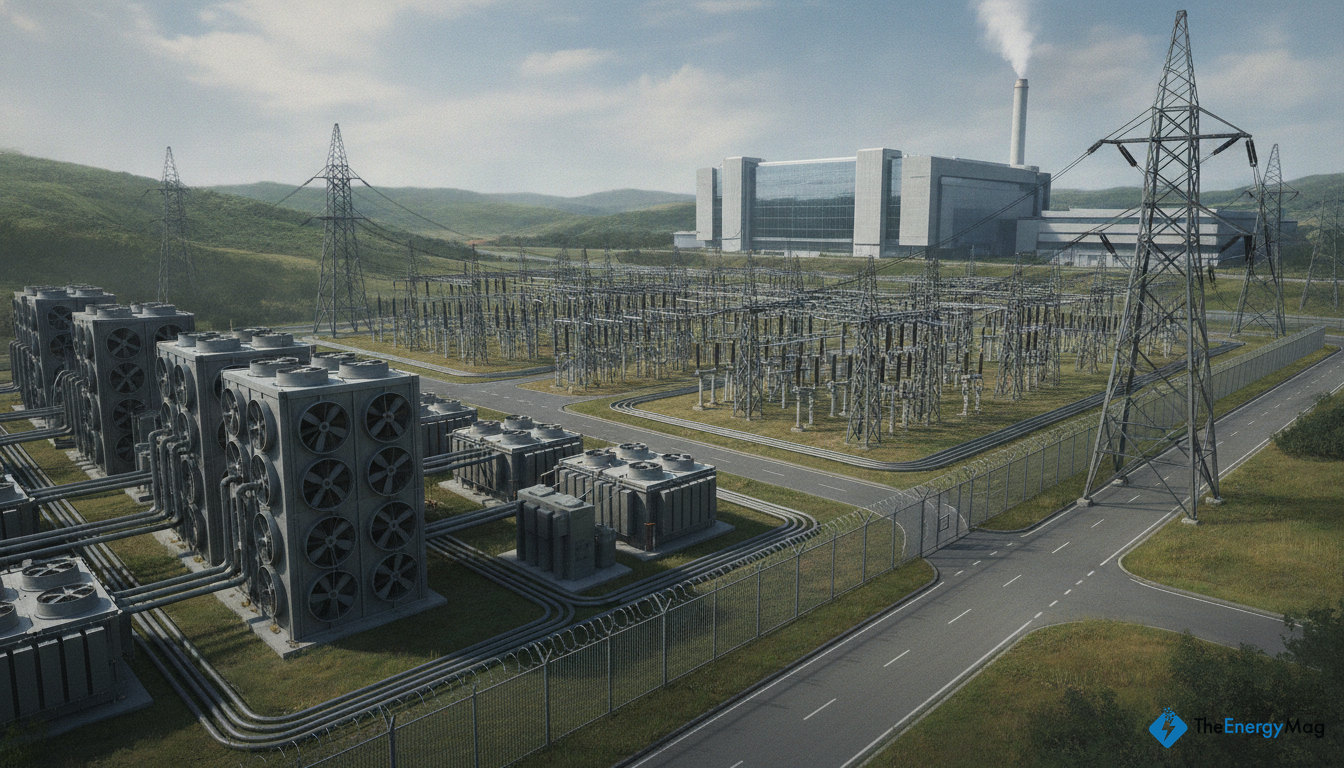
AI-generated image: synthetic visual, not an actual depiction of events, people, or locations.
Key Takeaways
- NCUC approved a 9.8% return on equity and a combined $43.5 billion retail rate base for Duke Energy subsidiaries.
- A new DC Schedule was established for data center customers, with implementation details still under assessment.
- The two-year multi-year rate plan includes approximately $7.2 billion in total capital allocations for North Carolina.
- Revised customer rates are scheduled to take effect on Jan. 1, 2027.
Duke Energy (NYSE: DUK) Carolinas and Duke Energy Progress received written orders from the North Carolina Utilities Commission on Nov. 16 approving a multi-year rate plan and performance-based regulation framework. The orders finalize settlements originally filed in July and August 2026, allowing the utilities to implement revised customer rates effective Jan. 1, 2027. For both subsidiaries, the ruling sets a 9.8% equity return, calculated with a 53% equity component within the capital structure.
The regulatory approval, disclosed in an 8-K filing on Tuesday, sets the historic base case retail rate base at approximately $25.7 billion for Duke Energy Carolinas (DEC) and approximately $17.8 billion for Duke Energy Progress (DEP). Under the two-year multi-year rate plan, the commission approved roughly $3.8 billion of capital for DEC and $3.4 billion for DEP. The utilities also agreed to evaluate a one-year rate case stay-out, which would prevent new base rate filings before Nov. 1, 2028, provided the commission grants deferrals for the costs of certain new generating assets.
A notable component of the orders is the establishment of a DC Schedule specifically applicable to certain data center customers. Duke Energy stated it is still assessing this portion of the orders and intends to engage with stakeholders to determine how the implementation will proceed.
During 2026's fourth quarter, DEC and DEP anticipate booking one-time pre-tax accounting charges of $10 million each, stemming from these directives. The company indicated these charges will be treated as special items and excluded from adjusted earnings. The submission indicated that the commission's definitive written orders did not substantially alter the comprehensive settlements.