Nscale Reportedly Weighs Delaying IPO Targeting $35 Billion Valuation

Nscale, the British artificial intelligence infrastructure company backed by Nvidia, is reportedly considering postponing its planned New York initial public offering until 2027 following a sell-off in technology stocks,
Executives are assessing whether to pause the flotation, which had targeted a valuation of as much as $35 billion, the Telegraph reported on Wednesday. No decision has been made, and Nscale declined to comment, according to the newspaper.
The potential delay comes as the company faces a narrowing window to proceed using its existing financial statements. Nscale would need to publish updated quarterly results if it misses that window.
Nscale announced its IPO filing in September, saying it had applied to list on the New York Stock Exchange under the symbol NSCL. Its announcement left the number of shares and proposed price range undetermined. Goldman Sachs, JPMorgan and Morgan Stanley were named lead bookrunners.

The reported valuation ambition would represent a substantial increase from Nscale’s last major equity fundraising. The company raised $2 billion in March at a $14.6 billion valuation in a round led by Aker and 8090 Industries, with Nvidia among the investors.
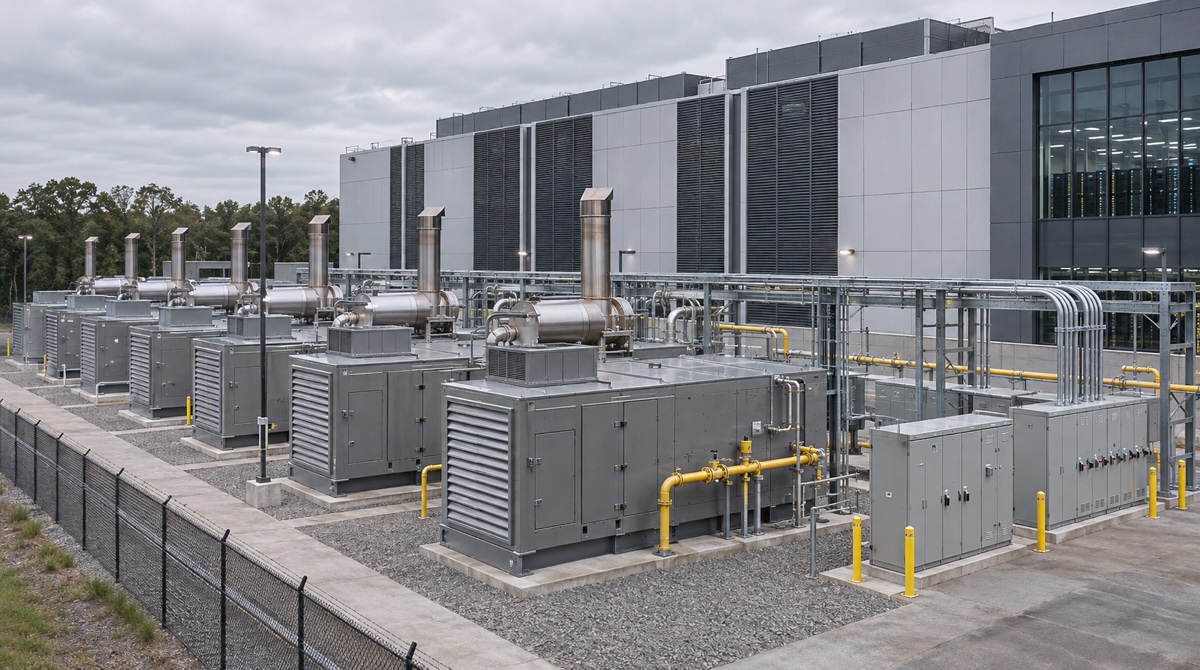
The listing uncertainty follows setbacks involving Microsoft, a major customer. It was reported that Microsoft had declined an option to more than double its existing agreement for computing capacity at a Texas data center. The decision was made months before the IPO filing and left the existing Texas contract unaffected.
Separately, Microsoft withdrew from Nscale’s planned Loughton facility in Essex after delays pushed the expected availability of grid power into the 2030s.
Nscale’s filing illustrates the gap between its contracted expansion and current operations. It reported $103.4 billion in active and contracted customer agreements as of August 31, but only $2.6 billion related to active contracts.
Revenue rose to $140.6 million in the first half of 2026 from $10.4 million a year earlier. Its net loss widened to $1.02 billion from $368.9 million, including $457.1 million in losses from fair-value adjustments. For prospective investors, those figures put the company’s ability to finance and deliver new capacity at the center of the valuation question.