The company reported a net loss of $709 million, compared with $110 million a year earlier, illustrating the financial burden of rapidly building and financing GPU infrastructure.
CoreWeave also disclosed $132.5 billion in revenue backlog, more than 4.6 gigawatts of contracted electrical capacity and an increased capital expenditure forecast of $37 billion to $39 billion for 2026.
The results arrive amid growing investor scrutiny of debt-funded AI infrastructure expansion, as credit markets reassess the risks associated with financing projects that require substantial upfront investment before generating customer revenue.
Revenue Growth Accelerates as Operating Margins Improve
CoreWeave's quarterly revenue increased by more than $1 billion from the second quarter as additional computing infrastructure entered service.
The company reported $2.26 billion in adjusted EBITDA, up from $838 million a year earlier, with an adjusted EBITDA margin of 62%.
Adjusted operating income increased to $379 million from $217 million, although its adjusted operating margin declined to 10% from 16% a year earlier.
On a sequential basis, the adjusted operating margin improved from 5% in the second quarter, reaching double digits earlier than management had previously expected.
The distinction between operating and bottom-line performance remains significant.
CoreWeave's reported operating profit demonstrates that revenue from its expanding GPU fleet has begun to exceed the associated operating expenses, including depreciation.
But its financing structure imposes substantial additional costs.
Net interest expense increased from $640 million in the second quarter to $846 million in the third, eroding the benefit of higher operating income.
The company reported a net loss margin of 19%, compared with 8% a year earlier.
Although adjusted EBITDA provides a measure of operating performance before financing expenses, taxes, depreciation and other adjustments, it does not reflect the capital expenditure requirements or borrowing costs necessary to sustain CoreWeave's expansion.
Those distinctions are increasingly important as investors evaluate whether rapidly growing neocloud businesses can translate substantial customer demand into sustainable profitability and cash flow.
Revenue Backlog Climbs to $132.5 Billion
CoreWeave reported approximately $132.5 billion in revenue backlog at September 30, up from $104 billion at the end of June.
The roughly 27% increase reflects continued demand from hyperscalers, AI laboratories and enterprise customers seeking access to high-performance GPU computing.
The company disclosed new customer relationships with organizations including Canva, Mirendil, Parallel Web Systems, Serve Robotics, Substack and Wayve.
It also expanded relationships with existing customers including OpenAI, Cohere, Perplexity and the Chan Zuckerberg Initiative.
CoreWeave's backlog includes remaining performance obligations and other amounts the company estimates it will recognize under committed customer contracts.
However, the reported figure is not revenue already earned or cash collected.
Recognition remains dependent on the delivery and availability of computing services, which in turn require functioning data center facilities, GPU equipment, sufficient electricity and supporting infrastructure.
That dependency makes development timelines and financing availability important considerations when assessing the backlog.
CoreWeave's customers may be contractually committed to purchasing computing services, but the company must still provide the underlying infrastructure to fulfill those agreements.
Contracted Power Exceeds 4.6 GW
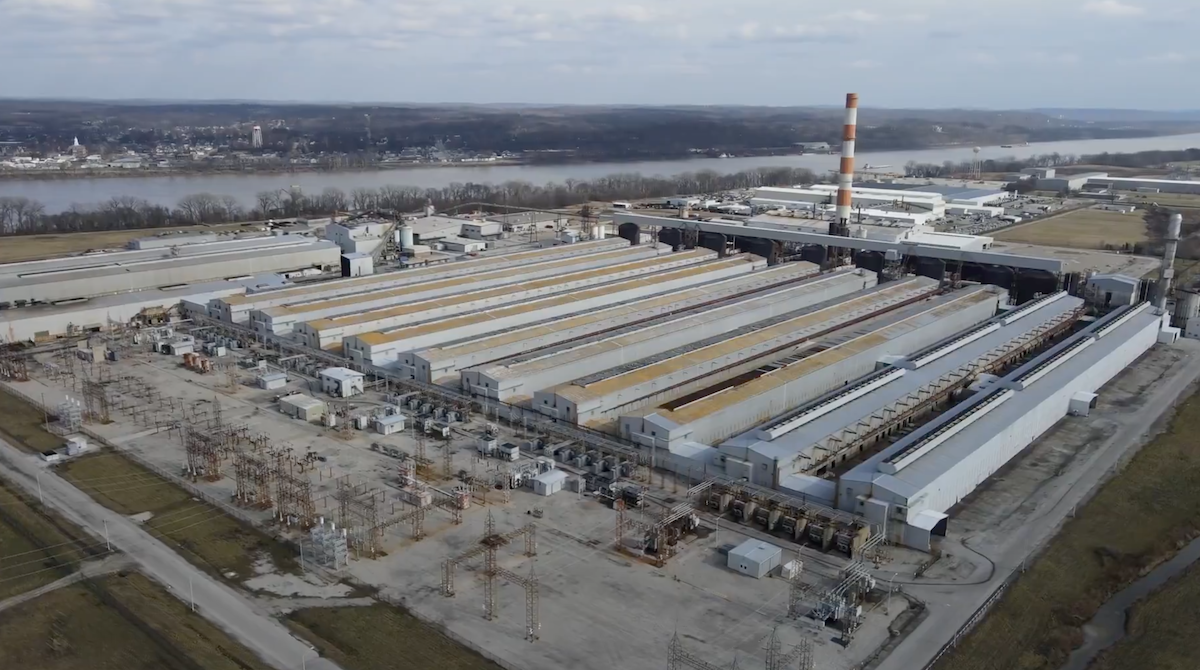
CoreWeave expanded its active electrical capacity by more than 200 MW during the quarter, bringing its operational power footprint to more than 1.7 GW.
Its total contracted power portfolio increased by more than 900 MW to over 4.6 GW.
The company has more than doubled its active power footprint since the beginning of 2026.
Its international expansion also accelerated, with more than 1.3 GW of contracted power outside the United States, including developments in India, Indonesia and Spain.
CoreWeave expects to exceed 1.85 GW of active power by year-end.
The distinction between contracted and active electrical capacity is important.
Contracted power represents electricity capacity secured for existing or future facilities, while active power refers to infrastructure already brought online. Neither measure is necessarily equivalent to the critical IT load available to GPU equipment after accounting for cooling and electrical overhead.
The approximately 2.9 GW gap between CoreWeave's contracted and active power portfolios illustrates the scale of infrastructure still awaiting development or energization.
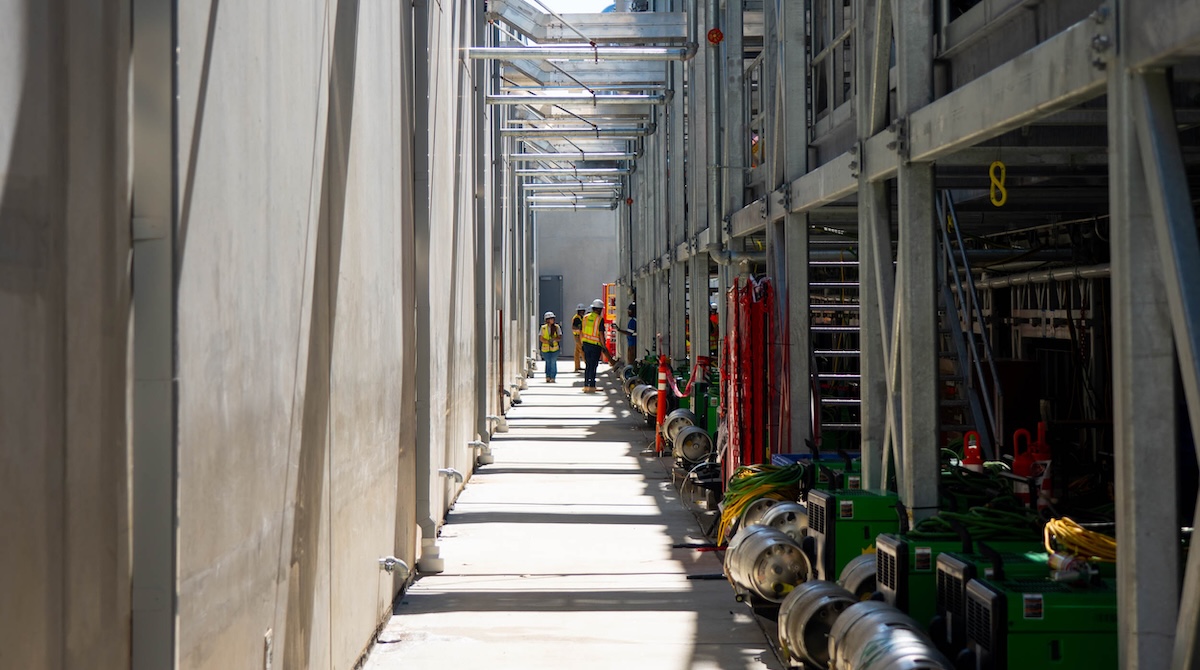
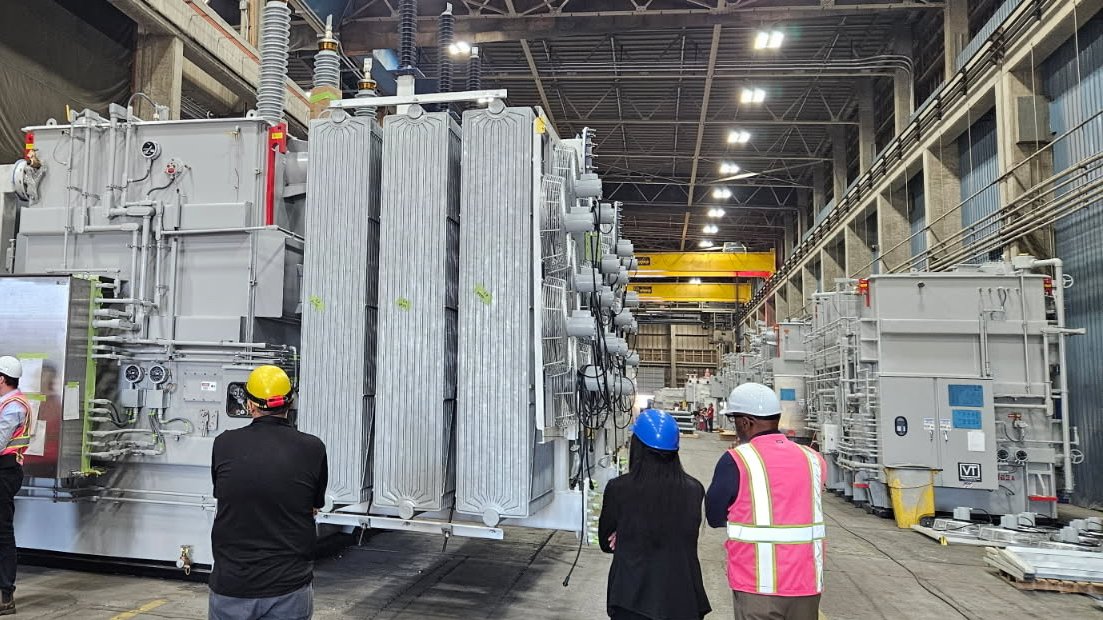
As TheEnergyMag examined in its recent Miner Weekly analysis, delivering AI data centers involves complex coordination across electrical infrastructure, cooling equipment, construction labor and customer specifications.
Changes to facility designs, equipment delivery schedules and construction sequencing can increase costs even when underlying demand remains strong.
For CoreWeave, those execution challenges are particularly consequential because the company must invest heavily in infrastructure before recognizing much of its contracted revenue.
Capital Spending Forecast Rises to $39 Billion
CoreWeave increased the lower end of its full-year capital expenditure guidance to $37 billion from $35 billion, while maintaining the upper end at $39 billion.
Management attributed the increase to plans to deploy infrastructure and deliver it to customers earlier than previously anticipated.
During the third quarter alone, CoreWeave spent approximately $9.44 billion on purchases of property and equipment, including capitalized internal-use software.
That compares with approximately $1.98 billion in operating cash flow generated during the same period.
The resulting gap highlights the company's reliance on external financing and customer funding to support its expansion.
CoreWeave ended September with approximately $4.12 billion in unrestricted cash and cash equivalents, alongside approximately $2.28 billion in restricted cash.
Its balance sheet reported approximately $46.9 billion in combined recourse and non-recourse debt, excluding lease liabilities.
The company also disclosed substantial operating lease obligations associated with its data center infrastructure.
During the quarter, CoreWeave raised approximately $4.2 billion through an upsized convertible senior note offering.
It also established an at-the-market equity program authorizing the sale of up to 35 million Class A common shares.
As TheEnergyMag previously reported, the financing initiatives were designed to broaden CoreWeave's funding options as the company expanded its GPU deployment commitments.
The company also closed a $2.6 billion delayed-draw term loan facility designed to finance infrastructure supporting shorter-duration customer contracts.
These transactions provide additional funding flexibility, but the debt and equity financing structures carry different implications for borrowing costs, shareholder dilution and balance-sheet risk.
$9 Billion in Customer Payments Expected Over Three Months
CoreWeave highlighted customer funding as another important source of financing.
Chief Executive Officer Michael Intrator said the company expects approximately $9 billion in customer prepayments and deposits over the following three months.
Those anticipated payments could help fund infrastructure deployment while reducing the company's immediate dependence on additional borrowing.
However, they remain expected future receipts rather than cash already received.
Customer prepayments can also create corresponding obligations to provide computing services, meaning they should not be confused with revenue already recognized or financing without contractual conditions.
CoreWeave's financing strategy increasingly combines customer commitments, debt secured by computing infrastructure, equity capital and operating cash flow.
The approach allows the company to support substantial expansion, but it also creates exposure to the timing of deployments and the availability and pricing of capital.
Financing Costs Draw Growing Market Scrutiny
The latest results come as investors increasingly question the financial sustainability of the AI infrastructure spending boom.
In October, Reuters reported that declining prices for CoreWeave's bonds had pushed yields on certain securities toward 15%, reflecting increased investor concern about the risks of debt-financed development.
The credit-market pressure underscored a broader question confronting neocloud companies: whether the revenues generated by new computing infrastructure will justify the financing costs required to build it.
CoreWeave's latest financial results illustrate that tension.
Quarterly operating income increased substantially, but net interest expense grew even faster in absolute terms and remained significantly larger than operating profit.
The company expects interest expense to increase further, forecasting between $1.05 billion and $1.15 billion for the fourth quarter.
The outlook suggests financing costs will remain a major consideration even as additional computing capacity begins generating revenue.
The company's ability to refinance existing obligations, attract customer funding and secure new financing at acceptable rates will therefore remain central to its development strategy.
NVIDIA Vera Rubin Deployments Advance
CoreWeave also reported progress deploying next-generation NVIDIA computing systems.
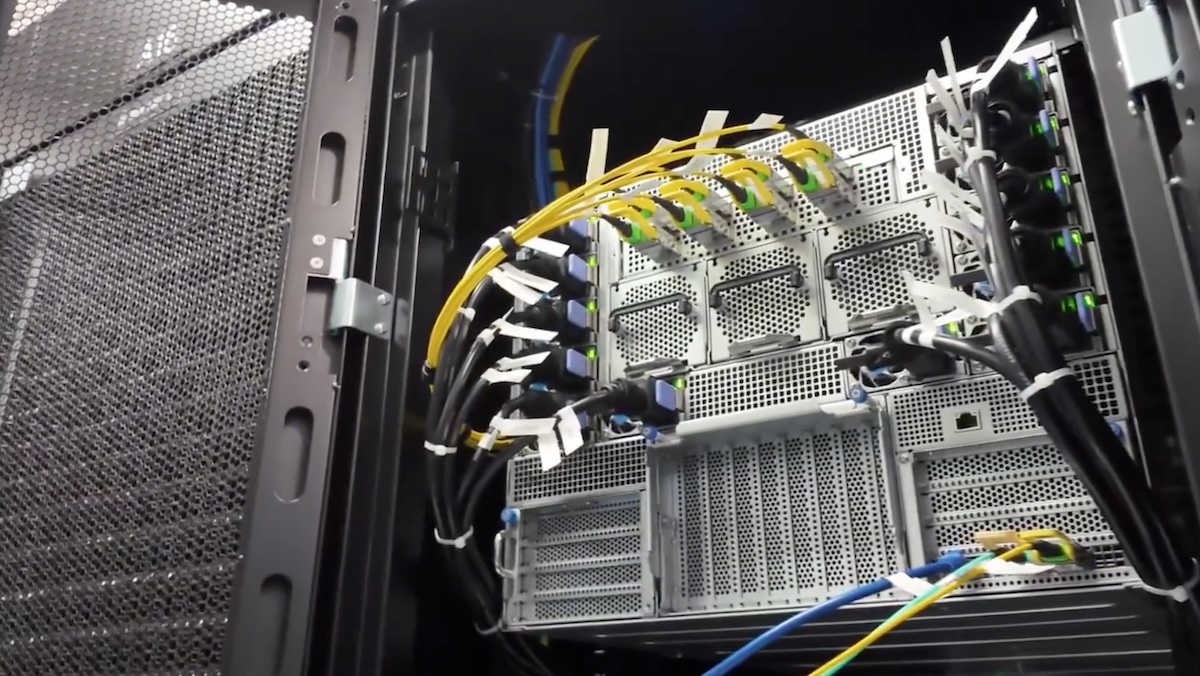
The company said it had brought online multi-rack NVIDIA Vera Rubin NVL72 deployments, with initial production workloads for AI coding company Cognition demonstrating approximately 4.8 times greater token throughput than NVIDIA GB200 NVL72 systems.
The performance comparison was reported by CoreWeave for the specified workloads and should not be interpreted as a universal performance improvement across all applications.
CoreWeave also announced support for NVIDIA Vera CPUs designed for agentic AI workloads and expanded its software platform through the launch of CoreWeave Forge.
The developments reflect an effort to move beyond providing GPU infrastructure alone toward offering a broader range of AI development, inference and software services.
The company also announced collaboration with Leidos to support AI workloads for defense, intelligence and national security customers.
These initiatives could diversify CoreWeave's customer base and service offerings, although their individual financial contributions were not disclosed.
Revenue Guidance Raised, but Profitability Remains a Challenge
CoreWeave increased its 2026 revenue guidance to between $13 billion and $13.3 billion.
The company also raised adjusted operating income guidance to between $1.275 billion and $1.375 billion, representing a 26% increase at the midpoint compared with its previous forecast.
Its year-end annualized revenue run-rate target increased to $20 billion to $21 billion.
The annualized run-rate figure is calculated by multiplying revenue generated in the final month of the reporting period by 12. It is not a forecast of recognized revenue for the entire year or a measure of contracted backlog.
The latest results demonstrate that demand for AI computing remains substantial and that CoreWeave is successfully bringing additional capacity online.
Revenue growth, operating profitability and customer commitments all strengthened during the quarter.
Yet the company's widening net loss, substantial capital requirements and rapidly increasing interest expenses illustrate the financial challenges of operating at this scale.
For investors, the next milestones extend beyond signing more contracts.
CoreWeave must continue converting its contracted power portfolio into operating infrastructure, delivering computing capacity to customers, and generating sufficient cash to support its financing obligations.
As the AI infrastructure market matures, those measures of execution and capital efficiency may become just as important as revenue growth itself.