Amazon Pledges $1B to Data Center Communities, Ends Government NDAs
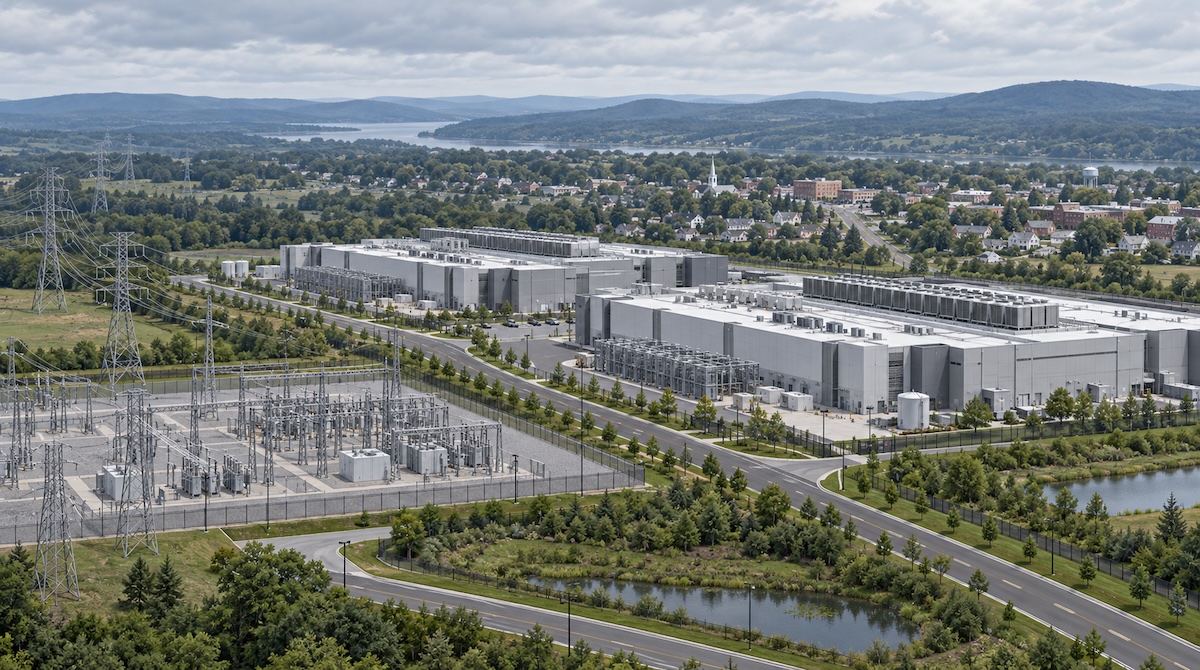
Amazon is pledging more than $1 billion over five years to communities hosting its US data centers and said it has stopped using nondisclosure agreements with government agencies on its projects, addressing concerns about the costs and transparency of its infrastructure expansion.
The Built Together funding program, announced Friday, will add to existing community spending, Amazon Web Services Chief Executive Officer Matt Garman said in a company post. He warned that more than 100 data center moratoriums were under consideration nationwide and argued that restrictions could weaken US competitiveness in artificial intelligence.
The NDA commitment specifically covers government agencies. Amazon’s announcement does not extend it to private-sector counterparties or say whether its confidentiality practices with those parties have changed.
Amazon plans to help more than 300,000 students access community-college certificates or associate degrees over five years by covering costs remaining after financial aid. Eligible fields include electrical trades, information technology, healthcare and advanced manufacturing. It also plans a network of 25 training centers, with capacity to prepare up to 100,000 people annually for skilled jobs by the end of 2028.

The spending comes as the industry’s growing power requirements raise the stakes for utilities and communities accommodating new facilities. A Lawrence Berkeley National Laboratory report published in June estimated that data centers could consume 11.8% of US electricity by 2030 under its reference scenario. Its broader range runs from 9.5% to 15.3%, reflecting uncertainty about equipment deployment and use.
Amazon’s energy-efficiency program targets more than 30,000 homes and more than 300 schools and community buildings over five years. The company estimates upgrades could reduce energy costs by 20% to 40%, while cautioning that actual savings will vary with rates, weather and consumption.
Local philanthropic foundations will also receive funding for priorities identified by residents, including roads, housing and emergency services. Amazon said enrollment and application arrangements are still being developed with local partners, with availability varying by community.
Alongside the funding, Amazon said it would work with utilities and regulators to ensure its electricity payments cover both energy consumption and required infrastructure improvements. It also pledged annual public reporting of energy and water use, efficiency and the share of energy from carbon-free sources.