Lansing Data Center Ban Hinges on Landowner Protest
Lansing, New York’s Town Board voted 3–2 Wednesday to bar data centers and cryptocurrency mines, leaving the fate of the measure and TeraWulf (NASDAQ: WULF)'s proposed AI computing campus on Cayuga Lake in doubt.
A landowner protest submitted a day earlier could raise the threshold to four votes, enough to defeat the ban on the current tally, according to local news reports on Wednesday. The town’s next step is to determine whether the protest qualifies under New York Town Law.
A TeraWulf representative submitted it at Tuesday’s public hearing and said the signers represented nearly a third of the land in Lansing. The statute requires signatures from owners representing at least 20% of the land area in one of several categories defined by law.
If the protest qualifies, the amendment falls one vote short. If it fails to qualify, three votes meet the ordinary majority requirement, and the local law would have to be filed with the state before taking effect. The town had yet to announce a determination as of Thursday morning.

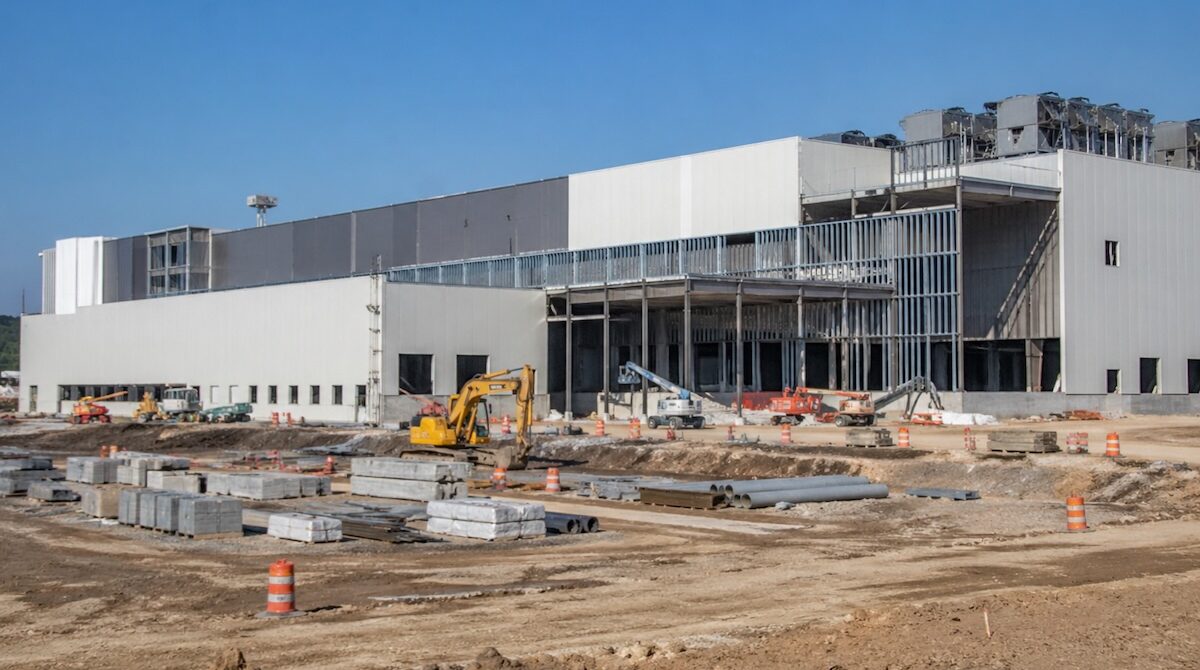
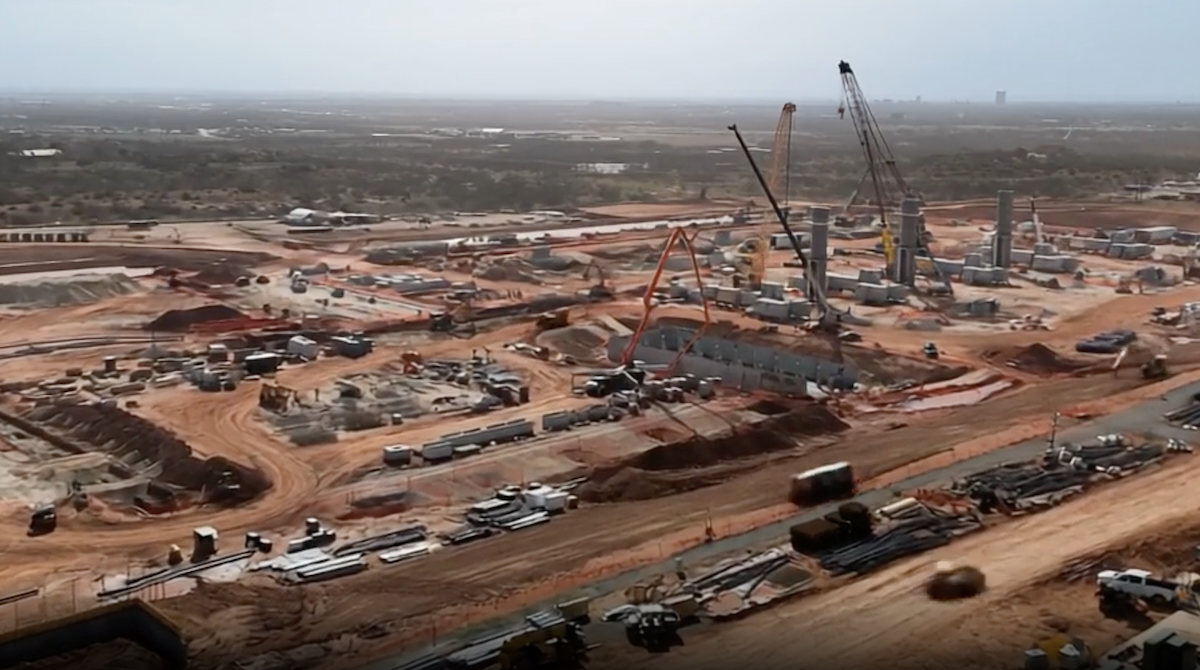
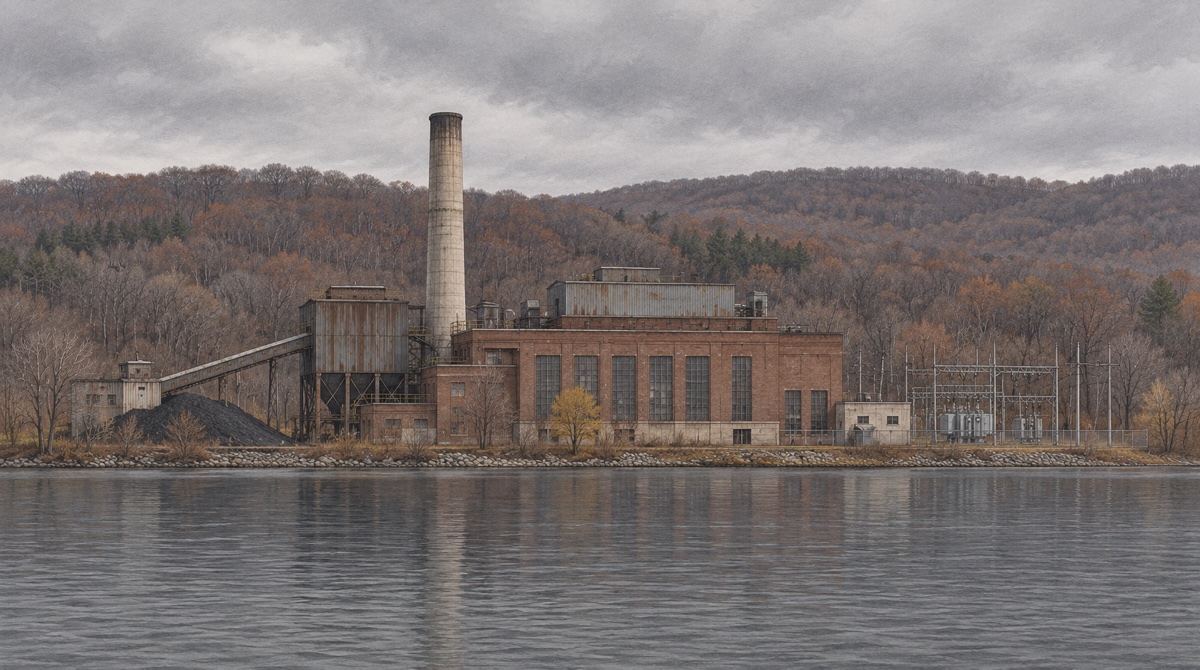
TeraWulf has already committed $98 million in prepaid rent for an 80-year lease covering about 183 acres at the former Milliken coal plant. The company’s local project website describes a planning concept of up to about 300 megawatts. Its latest quarterly filing puts the site’s potential at up to 400 megawatts of gross capacity, including about 320 megawatts for computing equipment, subject to permitting and development.
Residents at Tuesday’s packed hearing raised concerns about electricity demand, noise and the potential for construction to disturb legacy coal ash near Cayuga Lake. TeraWulf told attendees that redeveloping the former power plant could create jobs and expand the local tax base.
The dispute comes as New York has temporarily paused certain state environmental permits for large data centers while it develops new standards.
Lansing’s zoning appeals board ruled in December 2025 that the campus qualified as “general processing,” a permitted industrial use. The proposed amendment would limit that category to the processing of tangible materials, leaving data centers and cryptocurrency mines outside the town’s permitted uses. Two environmental groups challenged the December ruling in January, and a judge allowed their case to proceed in April. If the ban falls short, Lake Hawkeye would still face site-plan and environmental review, along with the court challenge to its zoning classification.
In a separate case filed Nov. 3 in Tompkins County Supreme Court, TeraWulf subsidiary Lake Hawkeye LLC asked a judge to order a broader search and disclosure of records sought under New York’s Freedom of Information Law.
The company alleges Town Board members used a private Google group to discuss ways to block the project. It seeks records from sources including personal email accounts and devices, as well as legal fees.
TeraWulf has scheduled a public open house for Dec. 1 at 6 p.m. at Lansing Middle School. The town has yet to set a public date for a decision on the landowners' protest.